


WACREN CLI-MET Programme
Building a connected, open and resilient climate ecosystem in West and Central Africa
WACREN-CLIMET Programme
Leveraging advanced digital connectivity, open science and trusted research infrastructure to support research, climate decision-making and sustainable development.
WACREN-CLIMET Programme
Infrastructure, Services and Capacity-Building
WACREN CLI-MET
West and Central Africa is among the world's most climate-vulnerable regions. Escalating floods in the Sahel, prolonged droughts across the Lake Chad Basin, sea-level rise threatening coastal cities, and erratic rainfall devastating smallholder agriculture. These are not future risks. They are today's realities, affecting hundreds of millions of people. Climate challenges in West and Central Africa are inherently regional, yet the data, tools, and infrastructure needed to address them remain dangerously fragmented.
National meteorological and hydrological services across the region are often under-resourced, working with outdated equipment and limited access to Earth Observation data. Climate research institutions and universities lack the computing infrastructure to run regional climate models. Agricultural agencies advising millions of smallholder farmers have no reliable pipeline of timely, localised agro-meteorological data.
WACREN CLI-MET exists to close this gap by making high-quality, timely climate data accessible, shareable, and actionable across the region through a trusted, African-led research and education network infrastructure.
Connectivity is the multiplier that turns climate data into climate action.
WACREN's existing regional backbone is uniquely positioned to become the climate data highway that West and Central Africa urgently needs.
Five Interconnected Pillars
Each pillar of WACREN CLI-MET reinforces the others, creating a coherent system where connectivity, data, tools, science, and skills work together.
- Federated access to EUMETCast, Earth Observation, and national meteorological datasets
- FAIR-aligned data services (Findable, Accessible, Interoperable, Reusable)
- Integration with WACREN-connected data centres, clouds, and HPC resources
- High-speed backbone interconnecting NRENs and research institutions
- Secure cross-border data flows for climate modelling and early-warning systems
- Redundant, resilient Points of Presence for critical climate services
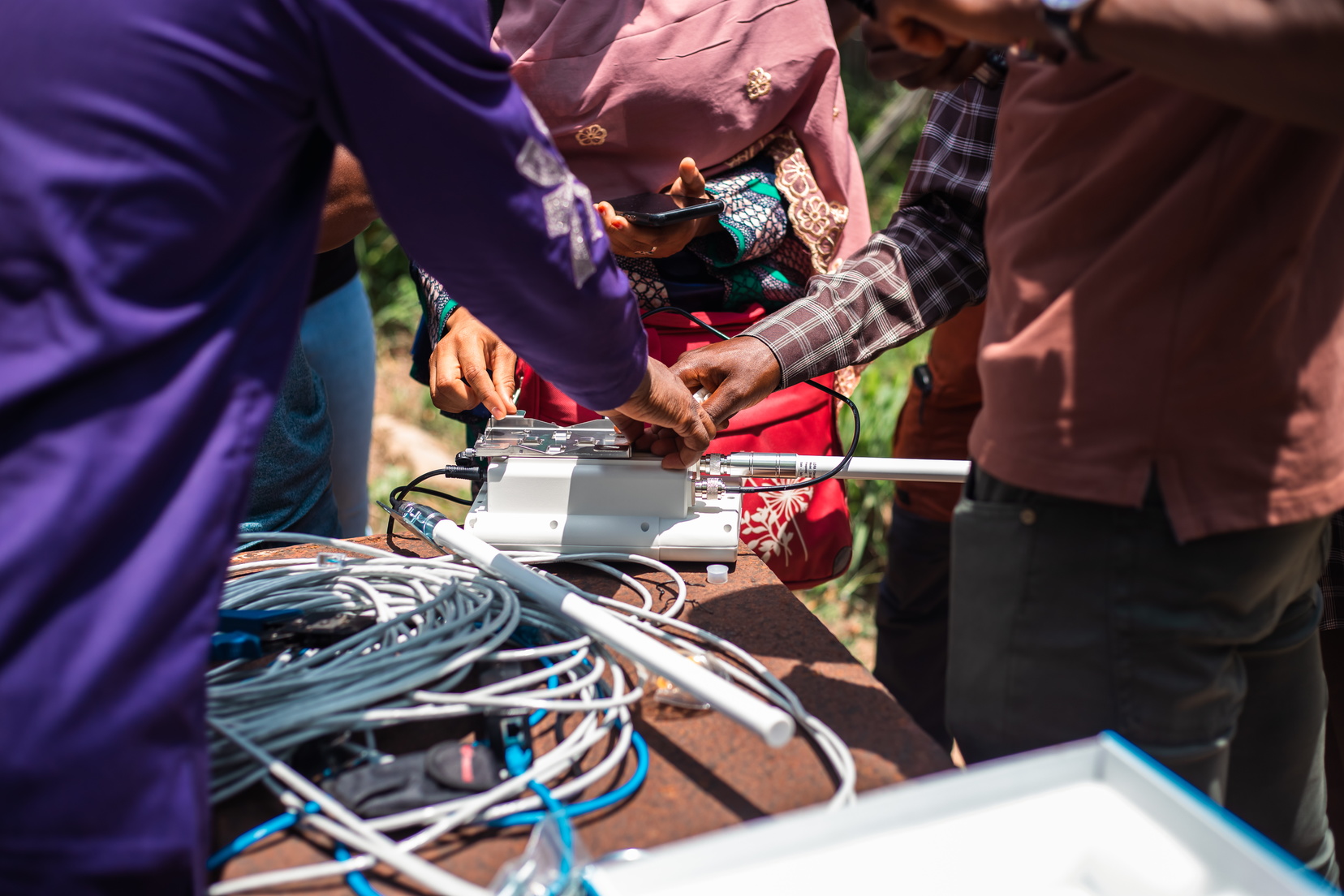
- LoRaWAN gateways integrated into NREN and campus networks
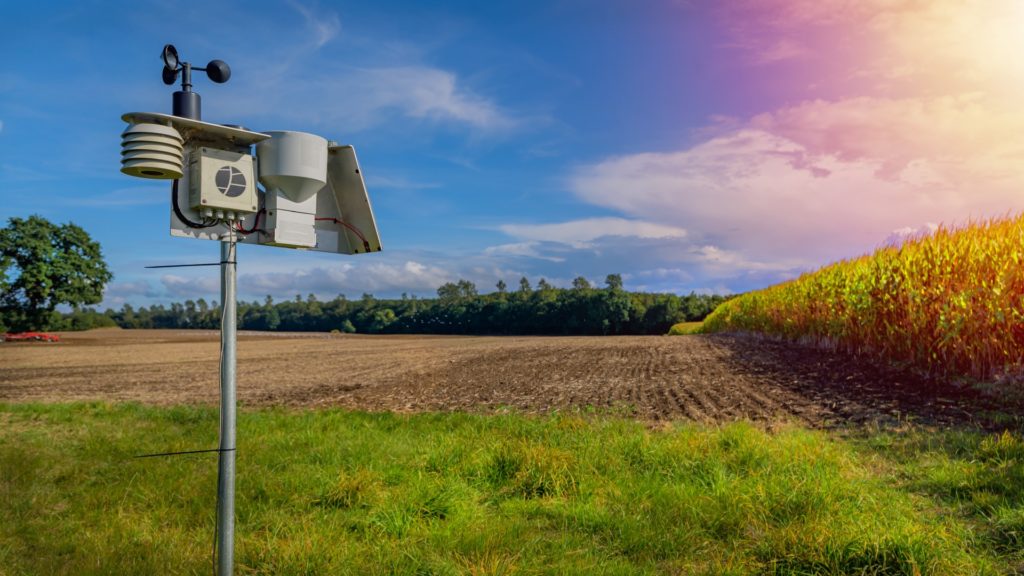
- WMO-compliant automatic weather stations for real-time observation
- Low-power sensors for rainfall, temperature, air & water quality
- Solar-powered, resilient deployments for remote locations
- Implementation of UNESCO Open Science principles for climate research
- Shared platforms for data publishing, repositories, and collaboration
- Open tools, open standards, and reproducible climate research workflows
- Training in climate data analysis, HPC, and open data practices
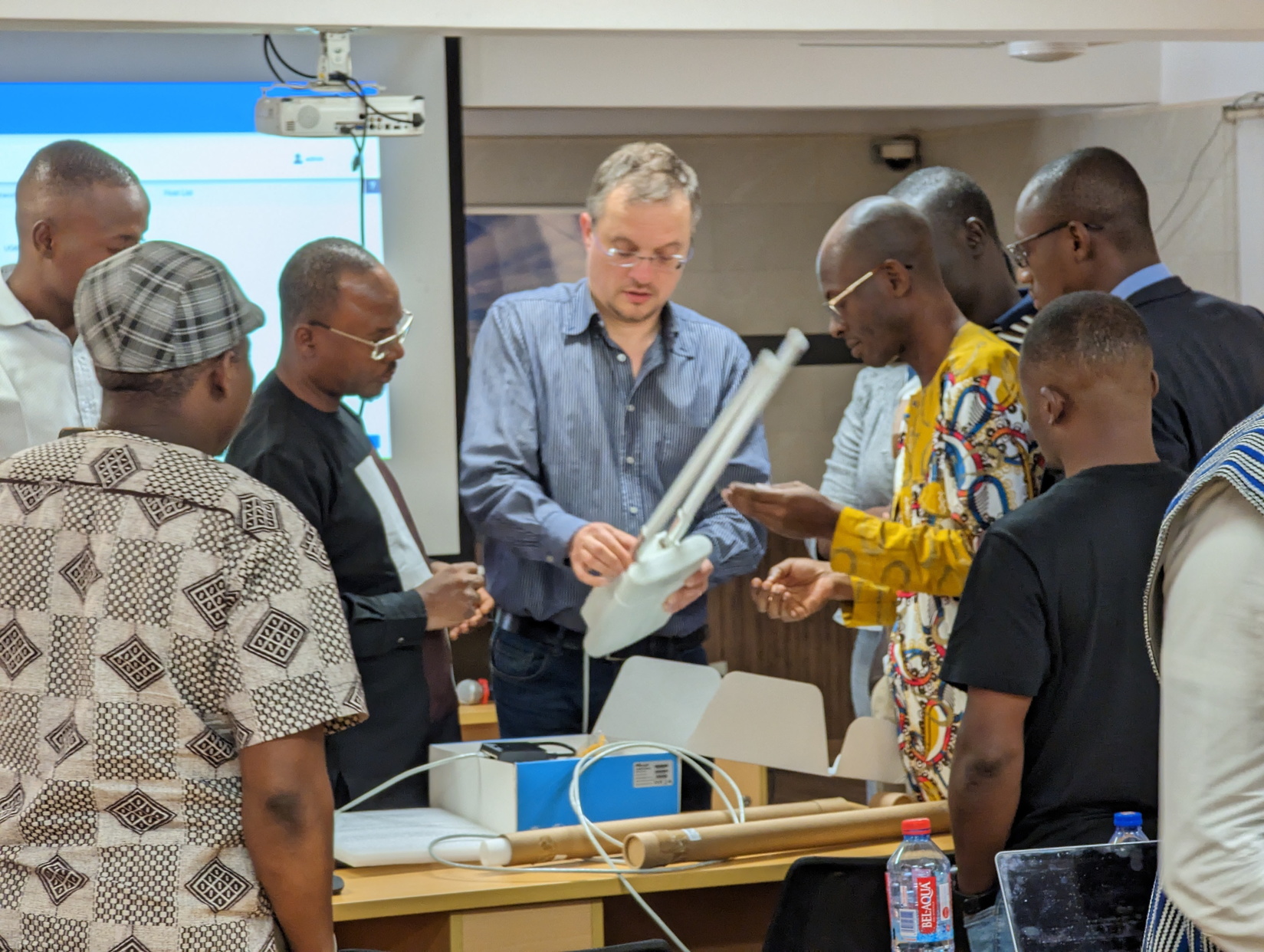
- Hands-on LoRaWAN deployment, sensor calibration, and data stewardship
- Support for early-career researchers and women in climate STEM
- Design sprints linked to real policy and sector needs
Anchored in Global & Continental Frameworks
CLI-MET is designed from the ground up to align with, and accelerate progress toward, the most important international and African climate and development frameworks.